
Feminist
Sociologist

Maqamist
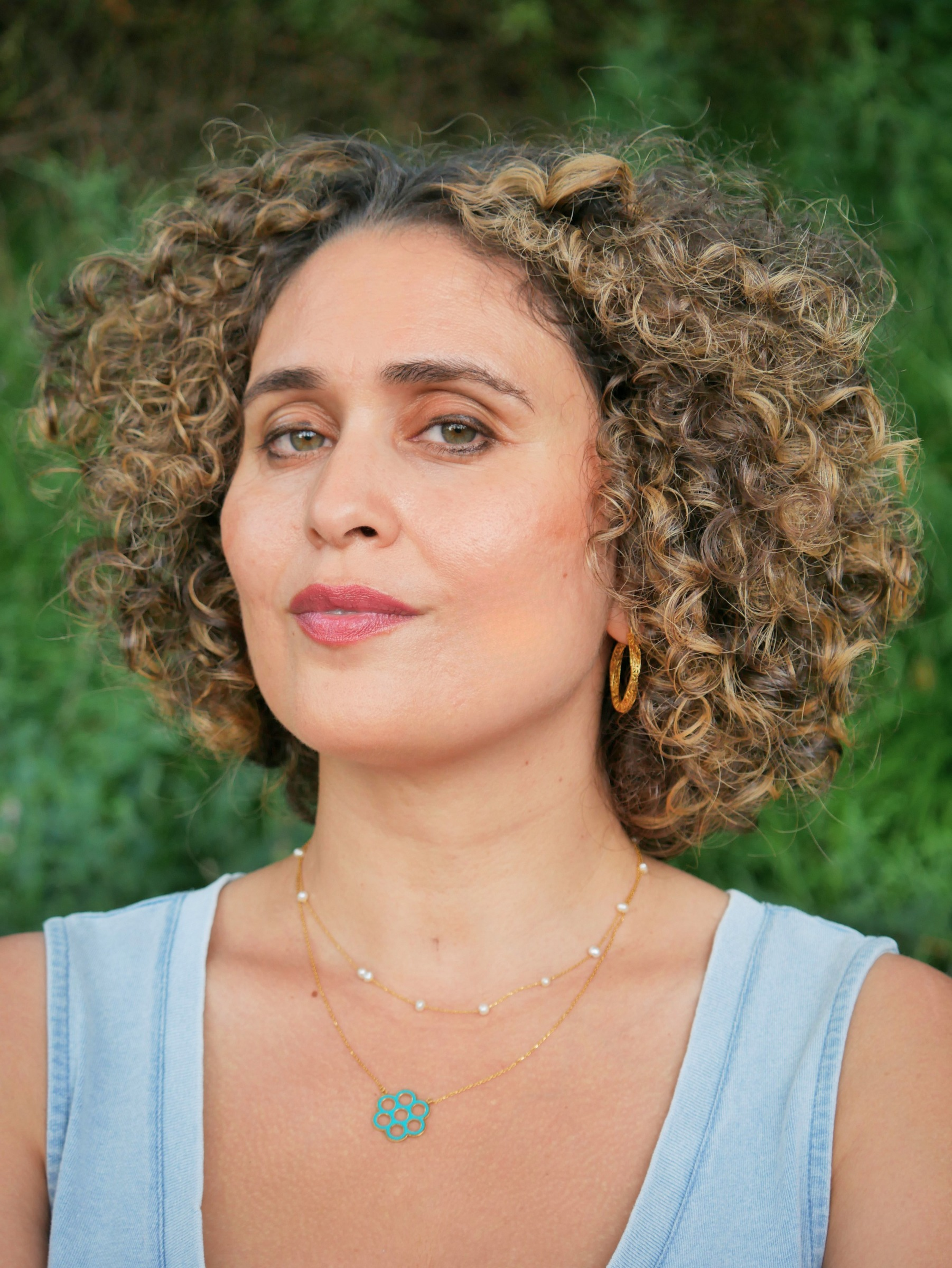
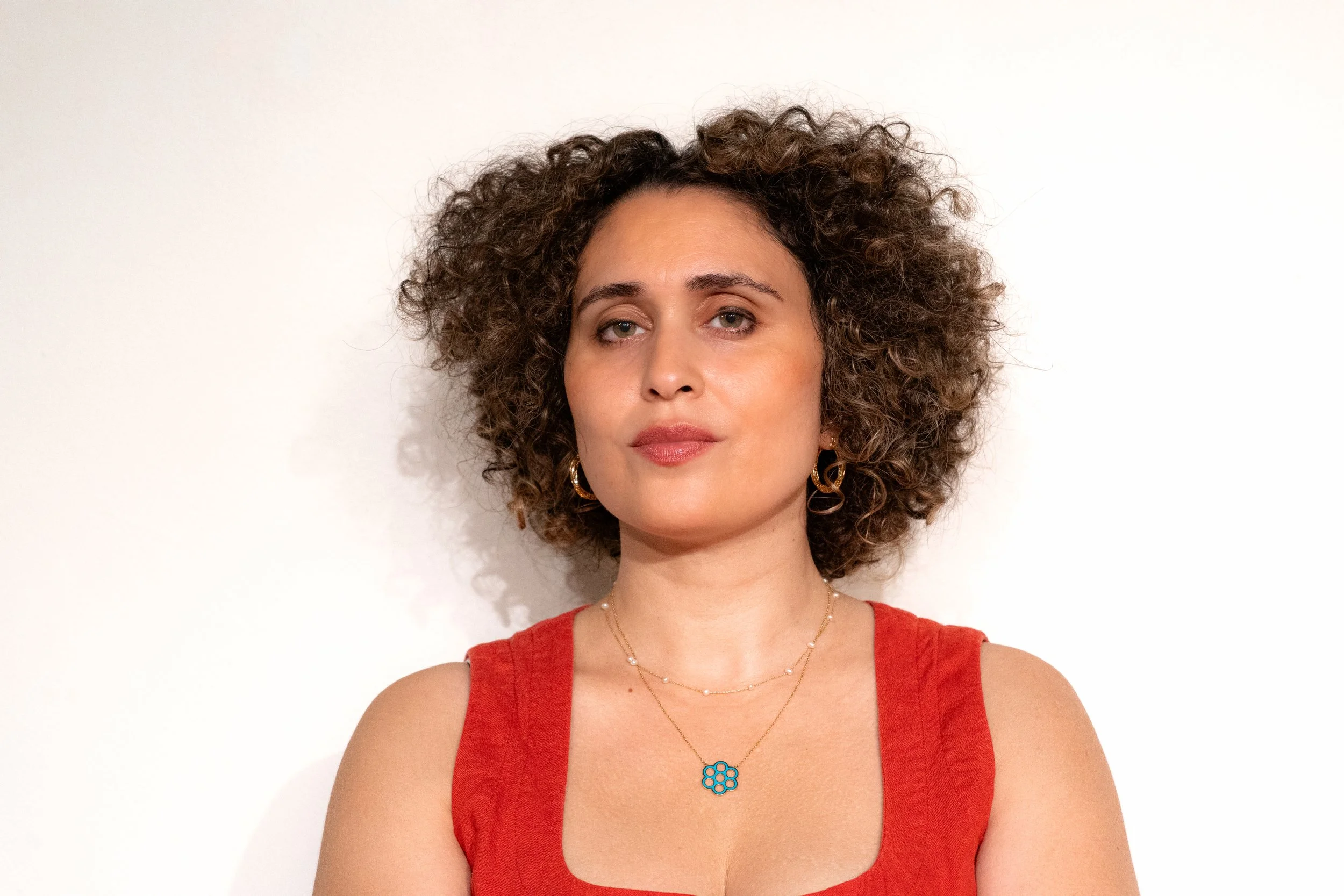
Writer, university professor, sociologist, feminist, and Maqam vocalist Zahra Ali was born in Paris to Iraqi refugee parents, and is now based in New York City. She is associate professor of sociology at Rutgers University-Newark, the founder of Critical Studies of Iraq, and a member of Maqam Studio.
Working alongside social sciences and feminist scholars across research institutions and activist organizations in Iraq, Zahra founded Critical Studies of Iraq in 2022 with the support of the Andrew Carnegie Foundation. The initiative takes Iraq, the Arab worlds and their diasporas, as frameworks to develop theoretical work and a research agenda that dismantle hegemonic and canonical approaches.
She is the author of Women and Gender in Iraq published by Cambridge University Press and translated into Arabic and French, co-edited Decolonial Pluriversalism published by Rowman and Littlefield, and Féminismes islamiques published by La Fabrique and translated into Spanish, German, and Turkish.
Her work explores the dynamics of women and gender, race and class, social and political movements, in relation to Islam(s), the Middle East, and contexts of war with a focus on contemporary Iraq. She is interested in (racial) capitalism, (post)coloniality, decolonial, and transnational feminisms, and critical knowledge making in global and public sociology.
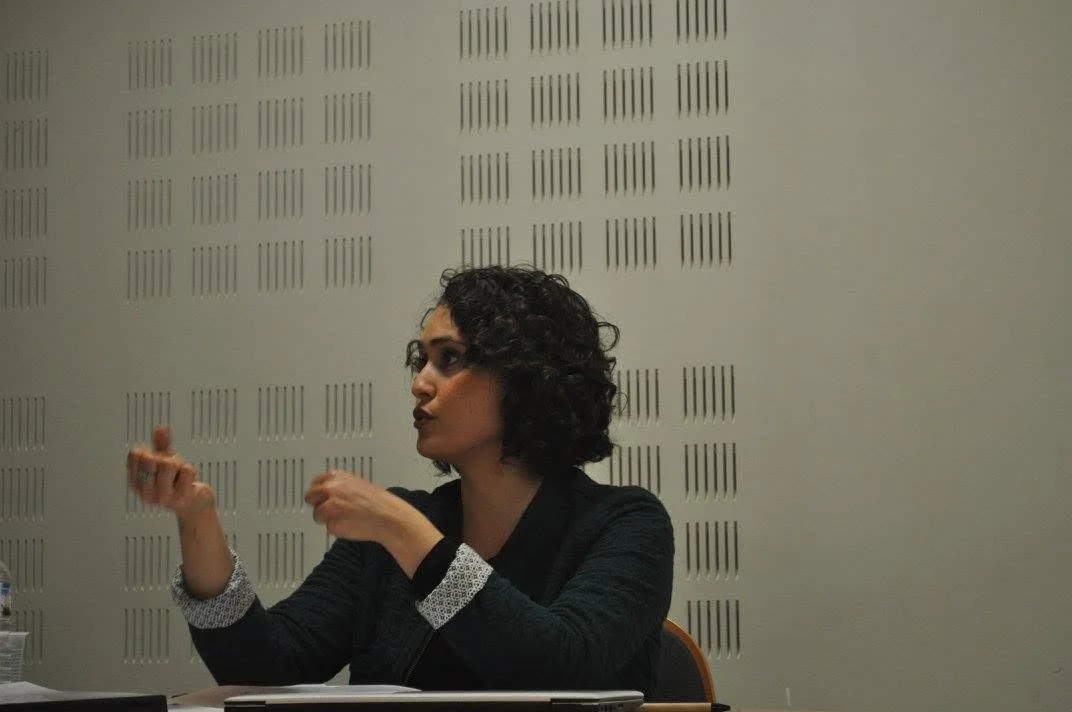
Zahra was awarded grants from the Andrew Carnegie Foundation, the Social Science Research Council, and the Académie Française, among others. She was a member of the School of Social Science at the Institute for Advanced Study in Princeton in 2021-2022, a Fellow at the Middle East Center at the London School of Economics and Political Science, and a Visiting Academic at the Centre for Gender Studies at the School of Oriental and African Studies, University of London.
In addition to serving on the editorial boards of Contemporary Sociology, and Comparative Studies of South Asia, Africa, and the Middle East, and Tumultes, Zahra has published extensively in academic journals such as Third World Quarterly, Journal of Middle East Women’s Studies, Nouvelles Questions Féministes, L’Homme et la société, and Omran. She also writes regularly opinion pieces in journals and e-zines such as the Washington Post, OpenDemocracy, The New Arab, Middle East Eye, As-Safir, Jadaliyya, Jummar, and Orient XXI.
Working and writing in English, Arabic, and French, Zahra is involved in feminist knowledge making initiatives with scholars from/in the Arab worlds and beyond. As a member of the Gendering the Arab Archive Working Group at the Arab Council for the Social Sciences, she co-edited the volume Gendering the Arab Women Archive. At the Barnard Center for Research on Women at Columbia University, she is part of the research cluster Transnational Feminism in a Time of Genocides that published a dossier in Social Text’s Palestine Now! Feminists for a Free Palestine: Voices from Palestine, Iraq, Afghanistan, Kashmir, Iran, and Beyond.
Zahra is an Iraqi Maqam practitioner and reciter, directly trained for almost a decade by the legend of the repertoire Hamid al-Saadi. She is a member of Maqam Studio, and was the recipient of the NYCSA Folk & Traditional Arts Apprenticeship. She performs in classical Baghdadi Chalghi ensembles and in Arab Jazz ensembles in venues primarily in New York City such as the Lincoln Center Atrium, the Metropolitan Museum of Art, Roulette Intermedium, Moma PS1, Jalopy, Symphony Space, The Stone, Opera America, Pioneer Works, The Poetry Project, and Maqam Studio.
As a poet passionate with Arabic poetry, Zahra is the author of the libretto of Ruins اطلال, a Maqam Opera in three acts in Arabic inspired by the epic poems of the 7th century al-Mu‘allaqaat, composed by Amir Elsaffar.
She is the mother of little Zuhoor, an enchanted being that brightens her existence, and shares the magic of everyday life with Abu Zuhoor.
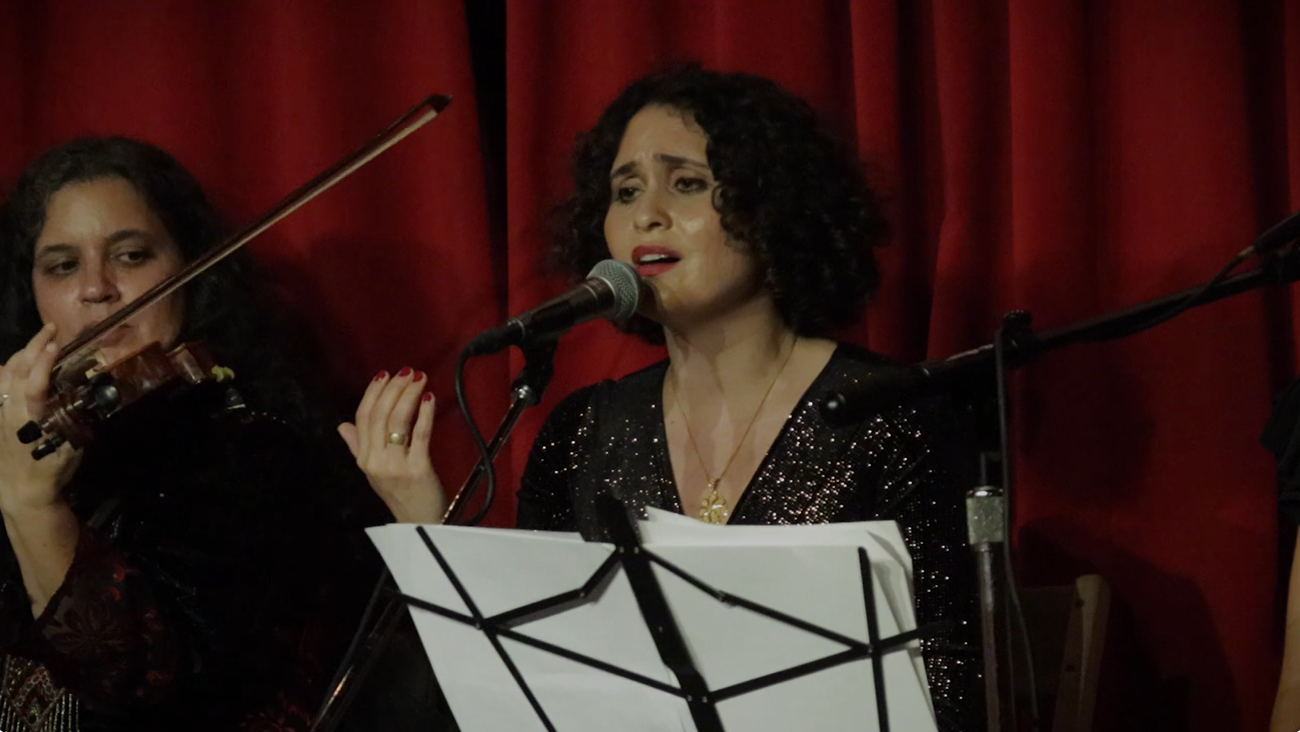
زهراء علي، كاتبة واستاذة جامعية ونسوية ومؤدية مقام وُلدت في باريس لوالدين عراقيين لاجئين، وتقيم حالياً في مدينة نيويورك. وهي أستاذة مشاركة في علم الاجتماع بجامعة روتجرز – نيوارك، ومؤسسة مبادرة دراسات العراق النقدية وعضوة في مقام ستوديو
عملت زهراء بالتعاون مع باحثين في العلوم الاجتماعية والدراسات النسوية في العراق في مؤسسات بحثية ومنظمات ناشطة، حيث أسست مبادرة دراسات العراق النقدية عام 2022 بدعم من مؤسسة أندرو كارنيغي وتتخذ المبادرة من العراق والعوالم العربية وشتاتها أطراً مرجعية لتطوير أعمال نظرية وأجندة بحثية تسعى إلى تفكيك المقاربات المهيمنة والتقليدية السائدة
وهي مؤلفة كتاب النساء والجندر في العراقالصادر عن مطبعة جامعة كامبريدج، والذي تُرجم إلى العربية والفرنسية. كما شاركت في تحرير كتاب التعددية الكونية الديكولونيالية الصادر عن دار رومان اند ليتلفيلد، وكتاب النسويات الإسلامية الصادر عن دار لافابريك، والذي تُرجم إلى الإسبانية والألمانية والتركية
تتناول أعمالها ديناميكيات النساء والجندر والعرق والطبقة والحركات الاجتماعية والسياسية في علاقتها بالإسلام(ات) والشرق الأوسط وسياقات الحرب، مع تركيز خاص على العراق المعاصر. كما تهتم بدراسة الرأسمالية (العنصرية) وما بعد الاستعمار والنسويات الديكولونيالية والعابرة للقومية وإنتاج المعرفة النقدية في علم الاجتماع العالمي والعام
حصلت زهراء على منح بحثية من مؤسسة أندرو كارنيغي ومجلس أبحاث العلوم الاجتماعية والأكاديمية الفرنسية، إلى جانب جهات أخرى. وكانت عضوة في كلية العلوم الاجتماعية بمعهد الدراسات المتقدمة في برينستون خلال عامي 2021–2022، كما شغلت منصب زميلة في مركز الشرق الأوسط بكلية لندن للاقتصاد والعلوم السياسية وكانت باحثة زائرة في مركز دراسات الجندر بكلية الدراسات الشرقية والأفريقية التابعة لجامعة لندن
إلى جانب عضويتها في هيئات تحرير مجلات علم الاجتماع المعاصر، ودراسات مقارنة من جنوب آسيا وإفريقيا والشرق الأوسط ، وتومولت، كما نشرت زهراء على نطاق واسع في مجلات أكاديمية، من بينها العالم الثالث الفصلي ومجلة دراسات النساء في الشرق الأوسط وقضايا نسوية جديدة والانسان والمجتمع وعمران. كما تكتب بانتظام مقالات الرأي في صحف ومنصات إلكترونية، منها الواشنطن بوست واوبن ديموكراسي والعربي الجديد وعين الشرق الأوسط والسفير وجدلية واوريان واحد وعشرين
تكتب زهراء وتعمل باللغات الإنجليزية والعربية والفرنسية، وتشارك في مبادرات لإنتاج المعرفة النسوية بالتعاون مع باحثات وباحثين ينتمون للعالم العربي أو يعملون من داخله، ومن مناطق أخرى حول العالم. وبصفتها عضواً في مجموعة عمل جندرة الأرشيف العربي التابع للمجلس العربي للعلوم الاجتماعية ، شاركت في تحرير مجلد جندرة الأرشيف العربي. كما تشارك من خلال مركز بارنارد للراسات عن النساء في جامعة كولومبيا، في مجموعة البحث النسوية العابرة للقومية في زمن الإبادات الجماعية وفي هذا الإطار، نشرت ملفاً خاصاً في قسم فلسطين الآن من مجلة سوشيول تكست عنوانه نسويات لاجل فلسطين: اصوات من فلسطين والعراق وافغانستان وكشمير وايران
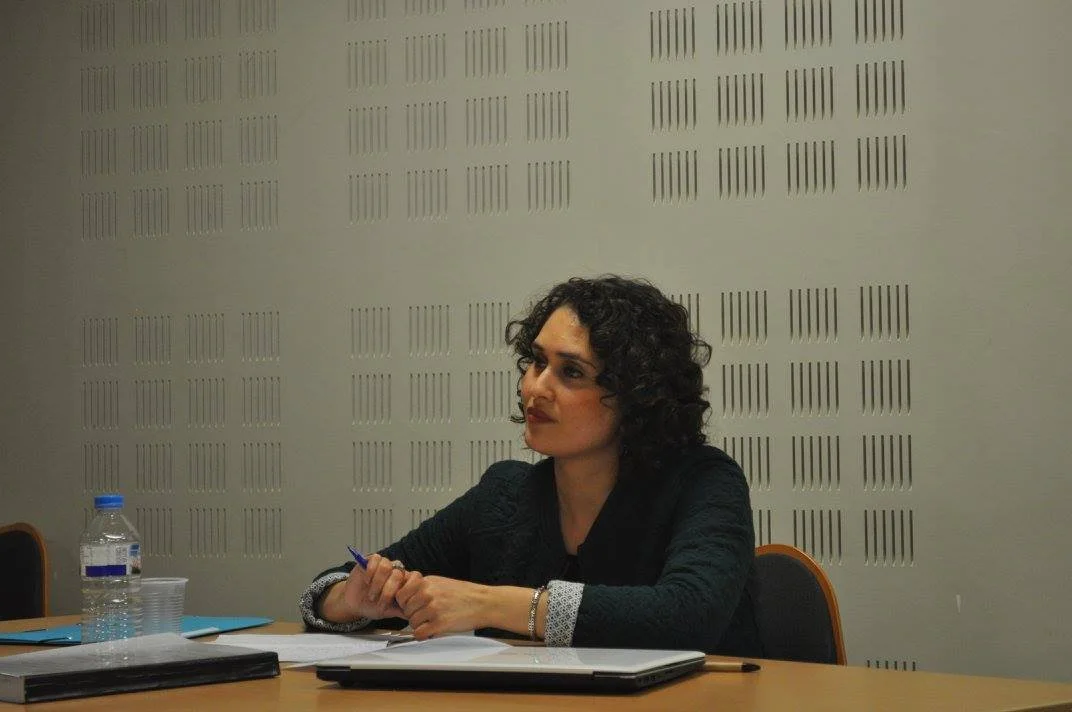
زهراء مؤدية للمقام العراقي، تلقت تدريباً مباشراً على مدى ما يقارب عقداً من الزمن على يد أحد أبرز أعلام هذا الفن، الأستاذ القارئ وخبير المقام العراقي حامد السعدي. وهي عضوة في مقام ستوديو، كما حصلت على منحة التلمذة في الفنون الشعبية والتقليدية المقدّمة من مجلس ولاية نيويورك للفنون. وتقدم عروضاً ضمن فرق الجالغي البغدادي، وكذلك ضمن فرق الجاز العربي في مسارح أغلبها في مدينة نيويورك، ومنها اللينكولن سنتر ومتحف الميتروبولتان للفنون ورولات ومتحف الموما ب.س.وان وجالوبي وسينفوني سبيس واوبرا امريكا وباينيرز وركس ومشروع الشعر ومسارح اخرى
وحيث إن زهراء شاعرة شغوفة بالشعر العربي، فقد ألّفت النص الغنائي (الليبرتو) لأوبرا المقام اطلال، وهي أوبرا باللغة العربية من ثلاثة فصول مستوحاة من المعلقات، وهي القصائد الملحمية التي تعود إلى القرن السابع الميلادي، وقد وضع موسيقاها أمير الصفّار
وزهراء أمٌ لزهور، وهي طفلة صغيرة تضيء حياتها، وتشارك سحر التفاصيل اليومية مع أبو زهور